Saturday, February 2, 2013

During the race me and my partner were dissapointed with our boats performance at first. During all our trial runs it stayed at a steady fast speed then when we went for actual race the first two times we raced it went slower then normal. Then thankfully the third time it was abnormally fast. If i were to re race my boat i would have used the movement of the blow dryer which was used as our wind to my advantage more like i did in the third run.

 For the creation of our boat in aquatic science we had very good luck with our construction. We learned that the simpler and ligher you had your boat the better it worked. The sail was straight which worked the best and we had the cup like styrofoam  for our marble passangers to be secure in. 


http://www.youtube.com/watch?v=VzPOwBmD3w8


The lionfish or scientifically known as the ptrerois are a beautiful fish with deadly features. If a human were to touch them it could be deadly.They pray on small fish and live in the East Coast of the united states carribean.

Wednesday, January 30, 2013

Oceanographers & their Instruments

Biological Oceanographer:  One main instrument that they use is the microscope. They uses this to look closely and analyze the plankton and other small samples they discover on their voyages.
Chemical Oceanographer: An instrument used commonly by this oceanographer is a thermometer, they use this frequently to test the temperature around spouts and throughout different depths of water
.
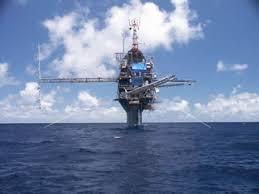
Physical Oceanographer: FLIP is used by physical oceanographers in order to get a different perspective if the oceans currents by having a vertical boat that wont move and sway with the currents. 
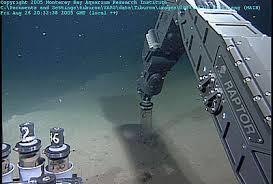
Geological Oceanographer: A very useful instrument and interesting tool used is the push core sampler which takes a deep sample of the core of the ocean floor. This is very interesting because they can discover the different layers of core and figure out useful information from it.

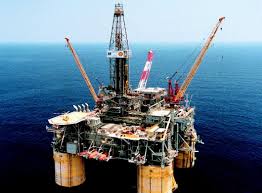
Geophysical Oceanographer: Oil Rigs drill and process natural gas and also oil from the ocean floor.
Oceanographic Engineer: They often uses submersibles like an ROV in order to collect data and take pictures in areas that are easier to be explored by a submersible rather than by a diver.

"Why We Explore?"

In the video "Why We Explore?" of Bob Ballard he discusses the importance of exploring the ocean. I agree with a lot of the points he made throughout his talk in video. One good point that he made was that we are exploring outer space and other planets when  most of the ocean on our own planet is unexplored itself. I think that it would make more since if we tried to explore what resources and creatures we had on our own planet verses trying to find that on other planets. We could use the resources found in the ocean to help us such as oil. Another reason i think we should explore the ocean is to explore and discover sunken ships. There are so many interesting things waiting to be discovered and its on our very own planet, i think we should take advantage.